In today’s fast-paced lifestyle, stress and mental fatigue have become common challenges. Long working hours, constant screen exposure, and daily responsibilities often leave little time for proper rest. As a result, many people are turning toward natural wellness practices to restore balance. Aroma therapy is one such holistic approach that uses essential oils to support relaxation, emotional well-being, and overall harmony of the mind and body.
Rather than offering instant or artificial solutions, aroma therapy focuses on calming the nervous system naturally. By engaging the senses, it encourages the body to slow down, release tension, and enter a more relaxed state-making it a valuable addition to modern self-care routines.
Understanding Aroma Therapy and Its Origins
Aroma therapy, also known as aromatherapy, is a therapeutic practice that involves the use of essential oils derived from plants, herbs, flowers, and roots. These oils contain natural aromatic compounds that influence the body through inhalation and topical application.
When inhaled, essential oils stimulate the olfactory system, which is directly connected to the limbic system of the brain. This area plays a key role in regulating emotions, memory, and mood. Because of this connection, aroma therapy is often associated with reduced stress levels, emotional balance, and mental clarity.
Historically, aromatherapy has been used in ancient cultures for wellness rituals and healing practices. Over time, it has evolved into a structured approach that is now widely recognized -within holistic health and wellness traditions.
The Role of Essential Oils in Relaxation
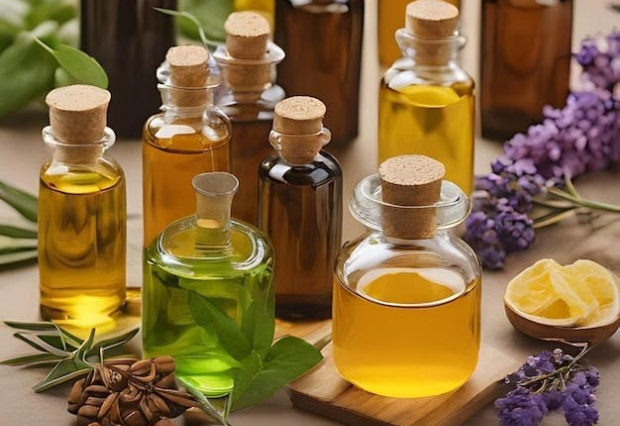
Essential oils form the foundation of aromatherapy, and each oil offers distinct therapeutic properties. Lavender and chamomile are commonly associated with calmness and relaxation, while eucalyptus and peppermint are known for their refreshing and clarifying effects.
In aroma-based practices, these oils are often diluted with carrier oils to ensure safe use. Their aromatic compounds work through the senses to create a soothing environment that helps the mind unwind. This sensory interaction plays a crucial role in easing mental fatigue and encouraging relaxation.
Because everyone responds differently to scents, aroma therapy remains a highly personalized wellness practice. Preferences, emotional state, and lifestyle all influence how essential oils support relaxation.
Benefits of Aroma Therapy for Stress Relief
One of the most widely recognized benefits of aroma therapy is its ability to support natural stress relief. Daily stress can affect both mental and physical health, leading to tension, sleep disturbances, and emotional exhaustion.
Aroma therapy helps the body transition from a heightened stress response into a calmer, more balanced state. Certain essential oils are known to support emotional regulation by influencing neurotransmitters linked to relaxation and mood stability.
Key Benefits of Aroma Therapy:
- Helps reduce stress and anxiety
- Encourages deep relaxation
- Supports better sleep quality
- Promotes emotional balance
- Enhances mental clarity
In high-pressure urban lifestyles, aromatherapy has become a valuable tool for restoring calm and creating moments of mindfulness within daily routines.
Supporting Physical Comfort Through Aromatherapy Practices
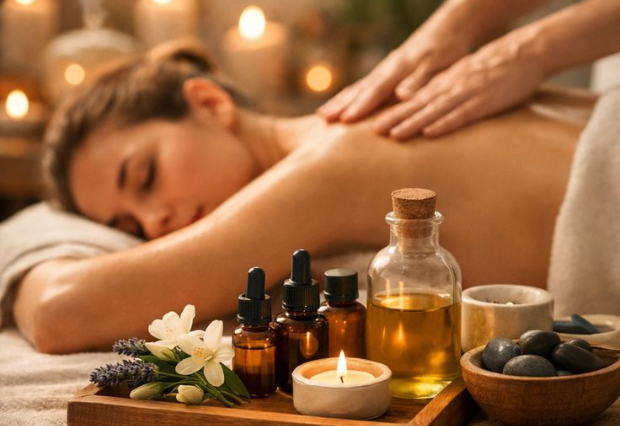
Beyond mental relaxation, aromatherapy practices can also contribute to physical comfort when combined with gentle bodywork or calming relaxation techniques. Carefully selected essential oils are often used to help ease muscle tension, support healthy circulation, and promote overall physical relief.
The soothing sensory experience created through essential oil application allows the body to unwind more deeply. Oils such as rosemary and peppermint are commonly associated with relieving tired muscles, while calming blends help reduce stiffness that may develop from daily stress and fatigue.
This holistic approach nurtures both mental and physical well-being in a balanced way, making essential oil–based wellness routines suitable for consistent self-care without overwhelming the body.
Aroma Therapy as a Holistic Wellness Practice
Aroma therapy is considered a holistic wellness practice because it addresses the connection between the mind, body, and emotions. Rather than focusing on isolated symptoms, it supports overall balance and long-term well-being.
Regular aroma therapy practices can encourage mindfulness, improve emotional awareness, and help establish healthier relaxation habits. By promoting a deeper state of calm, aroma therapy supports sustained energy levels and emotional stability over time.
When essential oils are used mindfully and appropriately, aroma therapy becomes a gentle yet effective way to support everyday wellness.
Choosing the Right Essential Oils for Relaxation
Selecting the right essential oils is an important part of effective aroma therapy. Different oils serve different purposes, and personal preference plays a significant role in how relaxing a scent feels.
Some individuals prefer floral notes, while others respond better to herbal or citrus aromas. Understanding these preferences allows aroma therapy to remain adaptable and enjoyable. Proper dilution and mindful application also ensure that essential oils are used safely and comfortably.
This flexibility is one of the reasons aroma therapy continues to be widely embraced across different wellness practices.
Integrating Aromatherapy into Daily Life
As interest in natural wellness continues to grow, aromatherapy practices have become an important part of modern self-care routines. The use of essential oils for relaxation can be incorporated into daily life through calming rituals, mindful breathing exercises, or creating a soothing home environment.
Taking time to pause, breathe deeply, and reconnect with the senses allows the nervous system to unwind from daily stress. Over time, these intentional wellness moments help restore emotional balance, improve mental clarity, and support a more centered and balanced lifestyle.
Conclusion
Aroma therapy offers a natural and supportive way to enhance relaxation and overall well-being. Through the mindful use of essential oils, it helps calm the mind, ease emotional tension, and support physical comfort. Its benefits extend beyond temporary relaxation, encouraging balance and mindfulness in everyday life.
For those interested in experiencing aroma therapy more deeply, educational understanding serves as a strong foundation before exploring personalized wellness experiences.
Frequently Asked Questions
What is aromatherapy used for?
Aromatherapy is commonly used to support relaxation, reduce stress, improve sleep quality, and promote emotional well-being through the use of essential oils.
How does aromatherapy massage help with relaxation?
By stimulating the senses and calming the nervous system, aromatherapy massage encourages the body to enter a relaxed and balanced state.
Are essential oils safe for regular wellness use?
Yes, when essential oils are used mindfully and properly diluted, they are generally safe for regular wellness routines and relaxation practices.